
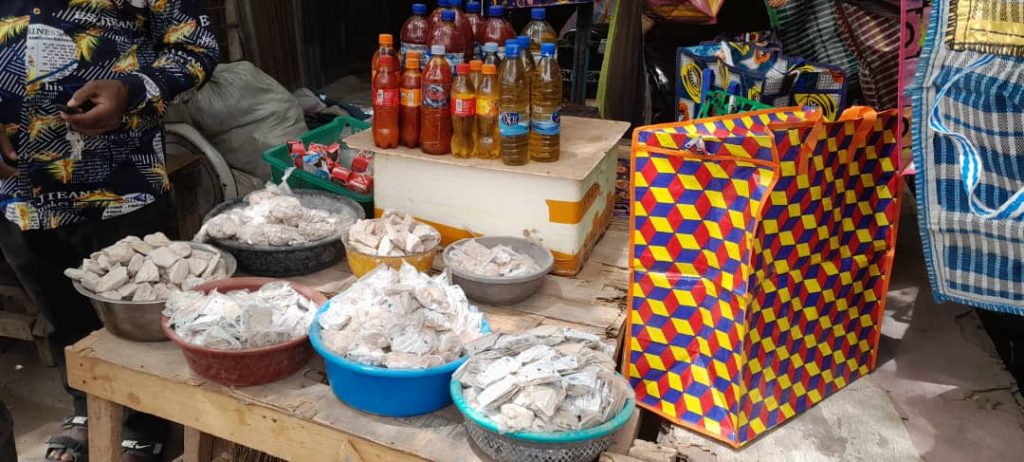
The term geophagy is applied to the recurrent intentional eating of soil with multifactorial motivation. Geophagic soil is easily available at the food market. Kaoline is the most consumed soil followed by laterite. Soil is preferentially consumed granulated or crushed, but also in powder.
- Although the holistic anthropological perspective recognizes soil consumption as mineral supplementation under certain circumstances (e.g., iron during pregnancy), we consider how the living environment has changed and is changing, along with diet, nutrition requirements, and habits. Benefits-to-risks ratio of cultural behaviours initiated centuries ago based on traditional medical practices requires deep revision and assessment. Knowledge on minerals metabolism, bioavailability and interactions is required to properly assess the role of geophagy in a balanced and safe intake of micronutrients. Indeed, the risk of unbalanced intake of minerals may be serious since the mineralogy and chemistry of geophagic clays are uncontrolled, variable, and difficult to standardize. Other factors (radioactive materials, organic chemicals and soil pathogens) complicate the risk assessment for population groups consuming soil.
- Geophagy is a culturally-transmitted practice. Even recognizing certain protective effects against gastritis, nausea, vomiting, and stomach pain, according to our findings, many geophagists today eat soil without specific motivation but due to pleasure at taste, and some just follow the habit without specific purpose of pleasure. Indeed, this lost awareness of the traditional medical meaning of geophagy is changing its consumption patterns and increasing health risks.
Since the geophagic practice is expected to persist despite economic development, our purpose is now on:
- awareness campaigns on: (i) the health risk of soil eating, (ii) erroneous beliefs, e.g., the protective effect of geophagic soil against cancer, and (iii) the misleading communication subtended by the vending of soil among food items.
- to stress the importance of separating geophagic soil from the marketing of foodstuffs.
2022. D Kimassoum, Ln Ngum, M Bechir, A Haroun, A Tidjani, C Frazzoli. Geophagy: a survey on the practice of soil consumption in N’Djamena, Chad. Journal of Global Health Reports, 7:e2023010.
2020. Orisakwe OE, Nnaemeka Arinze Udowellea, Azuonwu Obiomab, Igweze Zelinjo Nkeirukac, Unyimeabasi Akpan Nkereuwem, Frazzoli C. Cadmium and lead in geophagic clay consumed in Southern Nigeria: health risk from such traditional nutraceuticals. Environmental geochemistry and health 42(11):3865-3875.
2016. Frazzoli C, GB Pouokam, A Mantovani, OE Orisakwe. Health risks from lost awareness of cultural behaviours rooted in traditional medicine: an insight in geophagy and mineral intake. Science of the Total Environment, 566–567: 1465–147.